
Essential-load backup
Keep selected lights, refrigeration, communications, pumps and outlets running through an outage.

RESIDENTIAL ENERGY STORAGE / SOLAR & BACKUP
Modular LiFePO₄ home storage engineered around actual household loads, solar production, grid rules and the backup reserve a family really needs.
REAL PRODUCT FAMILIES
Five verified product families cover wall and floor batteries, low-voltage racks, modular inverter-battery stacks, compact all-in-one systems and high-voltage rack clusters. Every public value below was rechecked against the factory specification sheets.
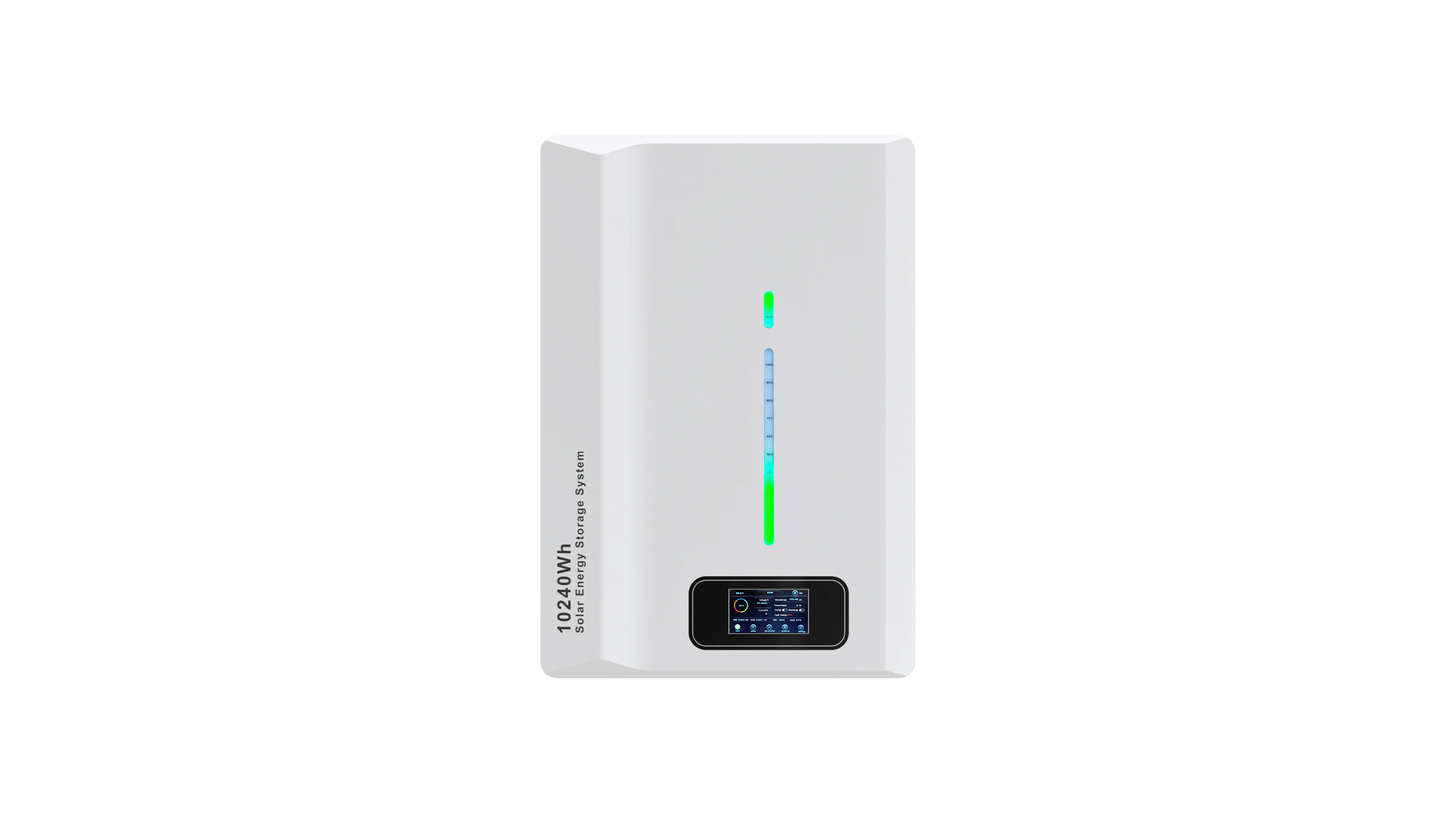
2.56–34.304 kWh
Wall and floor LiFePO₄ batteries with verified 25.6V and 51.2V options.
VIEW MODEL →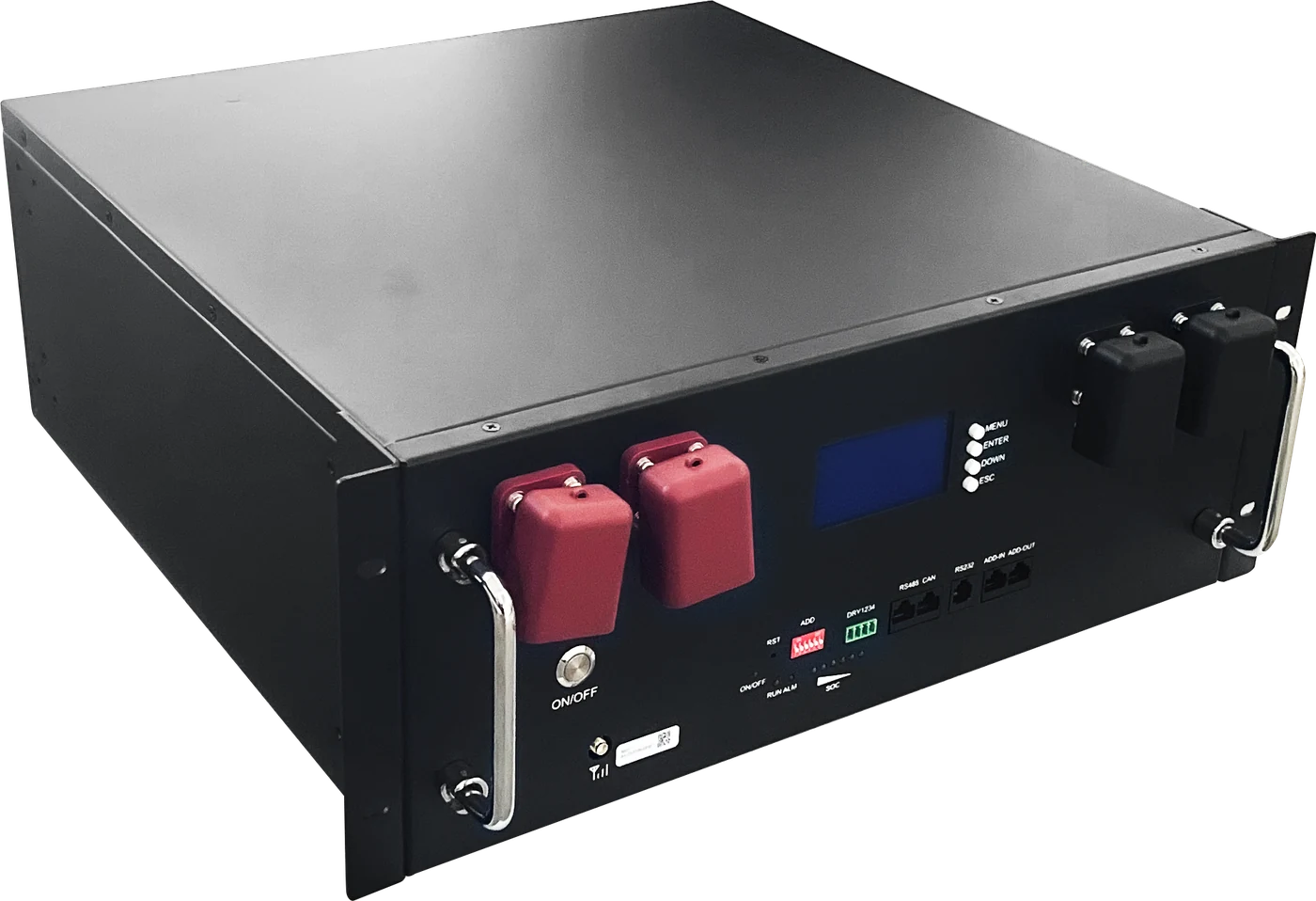
2.56–10.24 kWh
25.6V and 51.2V rack modules with CAN / RS485 for expandable systems.
VIEW MODEL →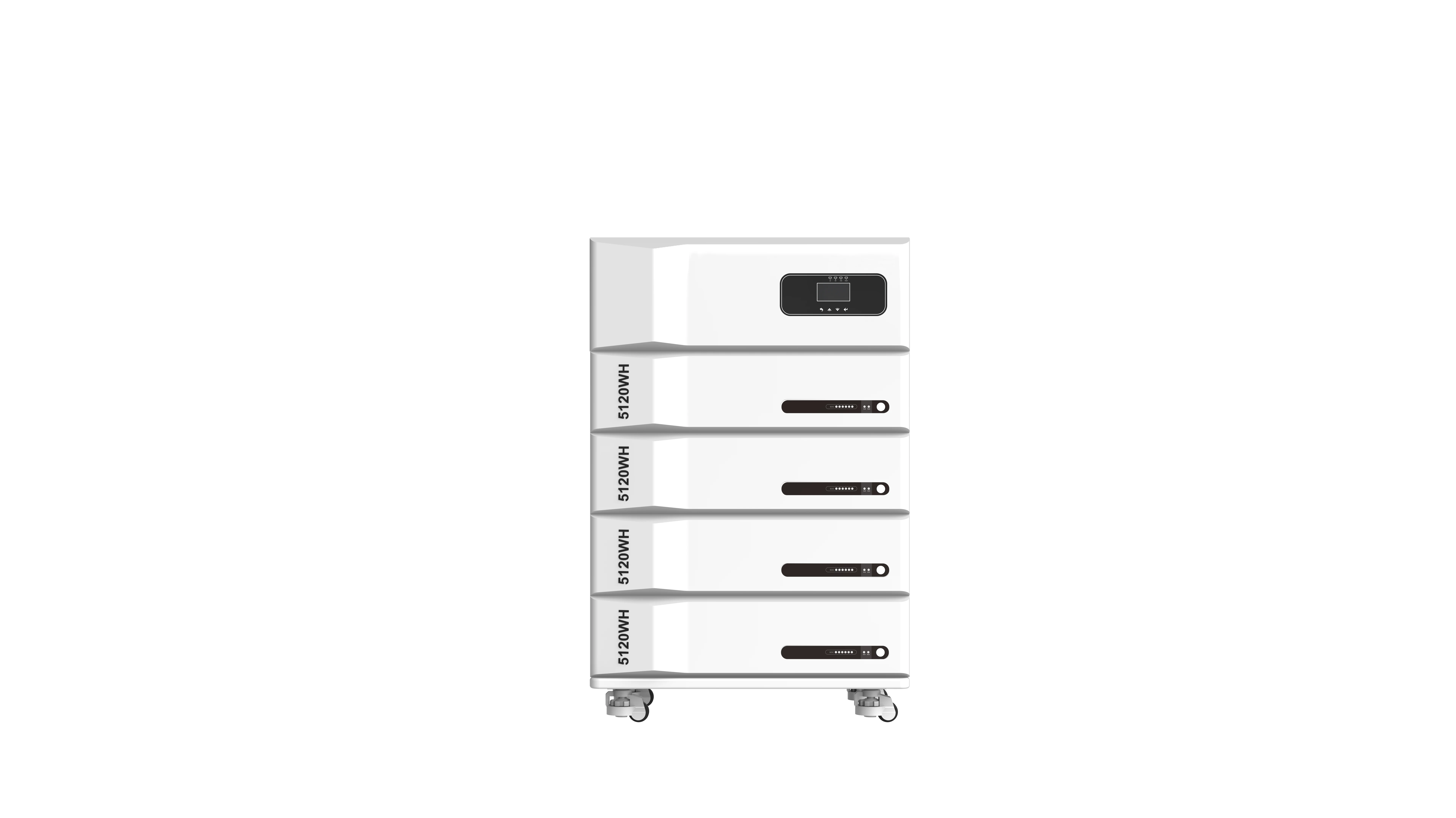
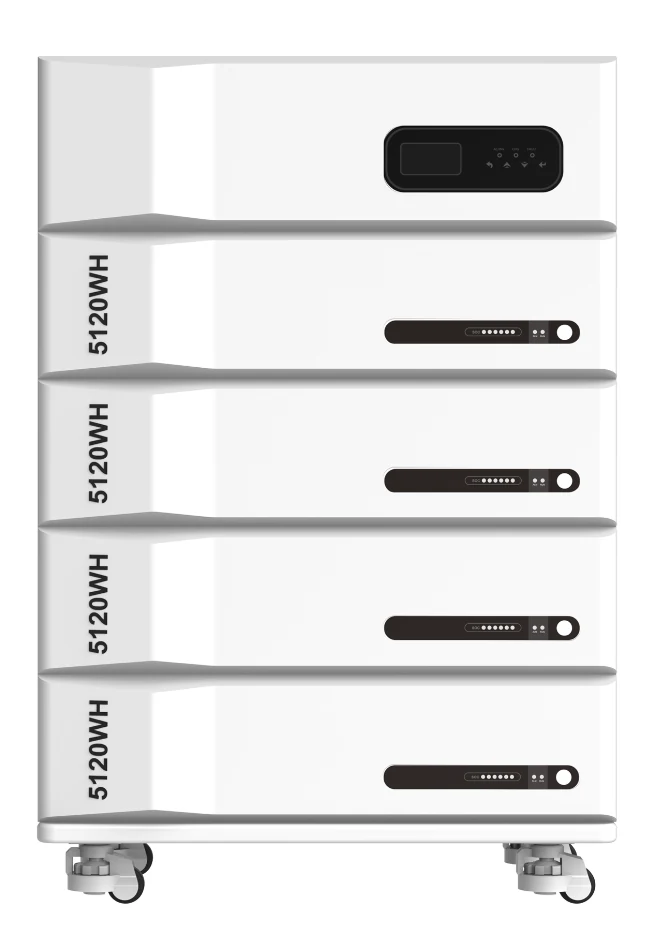
5.5–12 kW · 5.12–30.72 kWh
Matched hybrid inverter and battery stacks, including 110/230V split phase.
VIEW MODEL →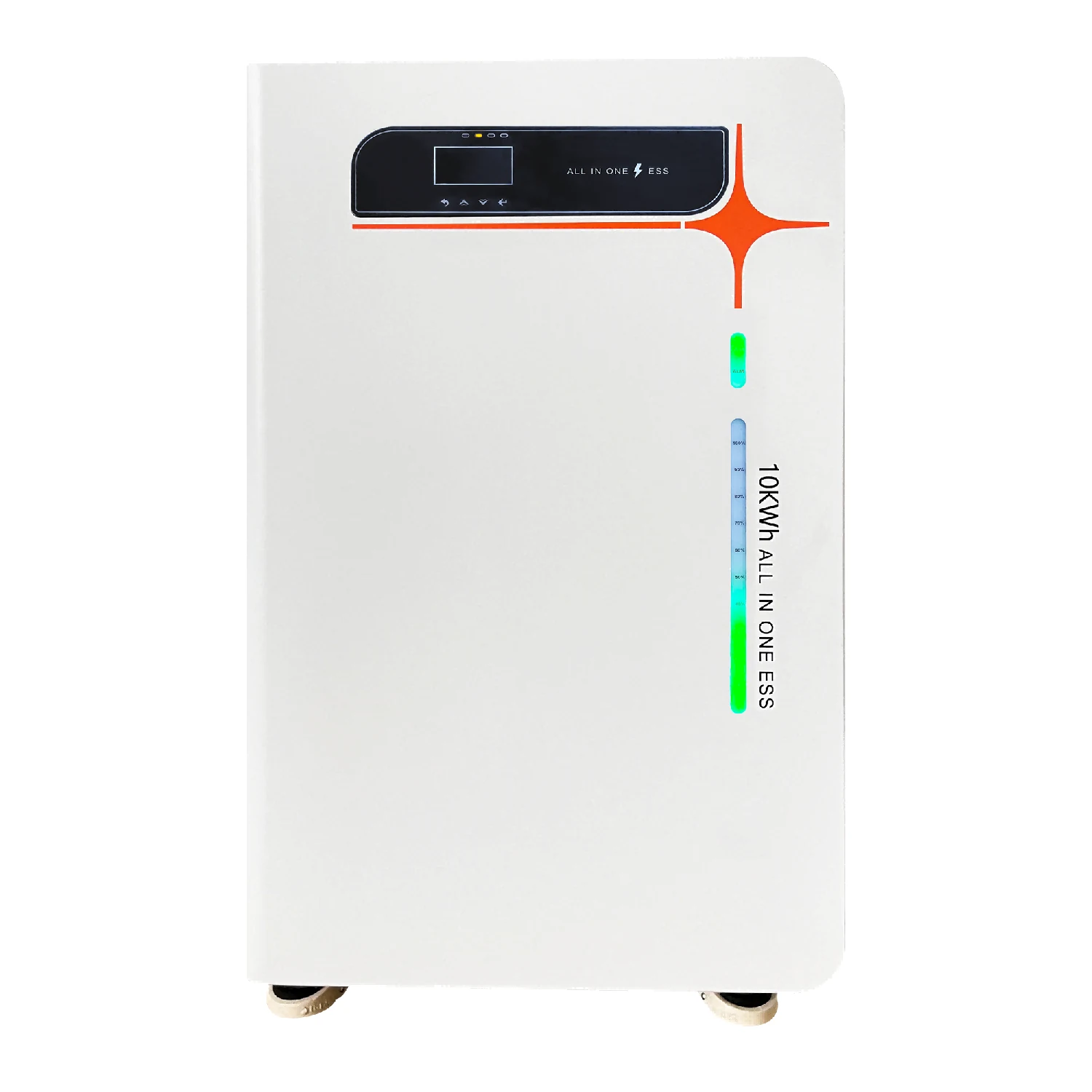
5–11 kW · 5.12–15.36 kWh
Compact inverter, MPPT and LiFePO₄ battery integration.
VIEW MODEL →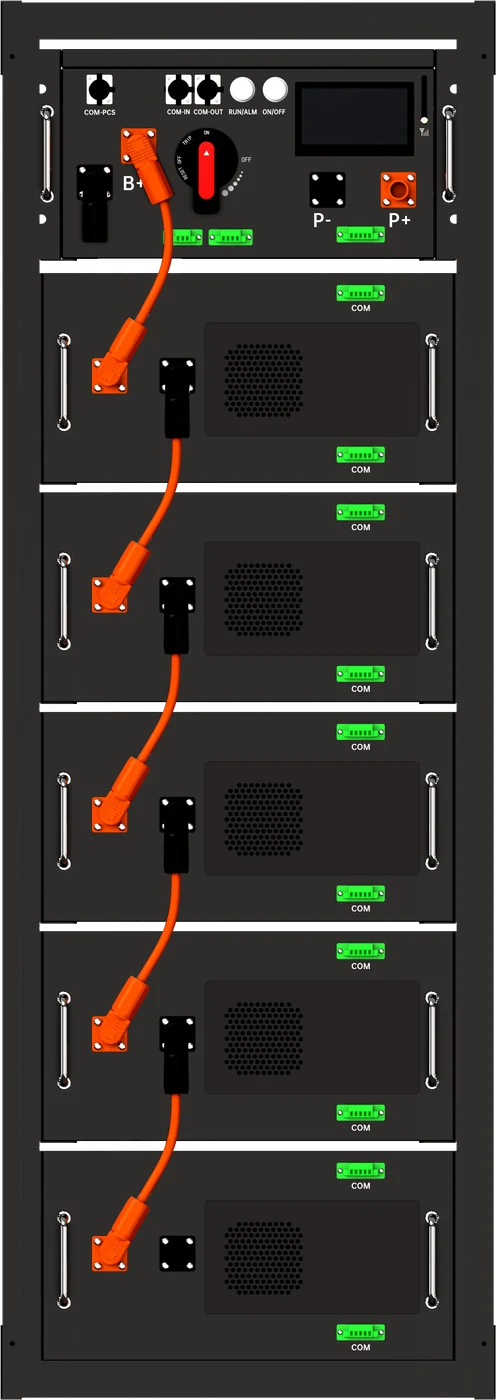
20.48–192.9 kWh
Modular 204.8–614.4V battery clusters for matched high-voltage PCS projects.
VIEW MODEL →MODEL-SPECIFIC COMPLIANCE EVIDENCE
LithVolt and Shenzhen Shungong maintain model-specific compliance files for selected energy-storage configurations — including EMC evidence supporting the CE technical file, EN IEC 62619:2022 safety evidence, UN 38.3 transport testing, SDS/MSDS, and sea/road transport documents where applicable. Every file is matched to the ordered model, rating and revision before it is released as project evidence.
Example coverage in hand: SCAE-A-51.2-100 (EMC + EN IEC 62619 + UN 38.3) · SCAP-A-51.2-100 (EMC + EN IEC 62619 + UN 38.3) · SCLFP · SDS/MSDS and sea/road transport by exact model.
Additional file sets can be confirmed for selected SCAE, SCAP and SCLFP models. Documents are issued on request after model lock-in — they are not published as open downloads.
EMC evidence for the CE technical file · EN IEC 61000-6-1:2019 · EN IEC 61000-6-3:2021 · selected SCAE / SCAP models
REQUEST FILE →Industrial secondary lithium cell and battery safety evidence · selected SCAE / SCAP / SCLFP models
REQUEST FILE →Manual of Tests and Criteria, Rev. 8 · Section 38.3 · selected SCAE / SCAP battery modules
REQUEST FILE →Safety data and handling information · confirmed per shipped model
REQUEST FILE →UN3480 Class 9 / IMDG pack & documents · confirmed per consignment
REQUEST FILE →UN3480 Class 9 / ADR pack & documents · confirmed per consignment
REQUEST FILE →These are model-specific technical records held by LithVolt / Shenzhen Shungong for the quoted configuration. They are not a blanket certification of every catalogue item and do not replace destination-market approval. Confirm nameplate, dimensions, electrical rating, report revision, transport mode and country requirements on each order.
REQUEST EXACT-MODEL DOCUMENTS →THREE ENERGY GOALS
Keep selected lights, refrigeration, communications, pumps and outlets running through an outage.
Store midday surplus and use it after sunset instead of exporting or curtailing it.
Support longer outages with larger reserve, solar and sometimes a generator—without treating the grid as guaranteed.

REFERENCE SYSTEMS
Energy in kWh determines how long loads can run; inverter kW and surge capability determine which loads can start and operate together.
Apartment / small home
Battery51.2 V 100 Ah
Inverter3–5 kW hybrid inverter
Lights, router, TV, refrigerator and selected outlets.
Typical family home
Battery51.2 V 200 Ah
Inverter5–8 kW hybrid inverter
Longer essential backup plus broader evening solar use.
Large loads / weak grid
Battery3 × 5.12 kWh modules
Inverter8–12 kW system
More reserve for pumps, cooling zones and longer interruptions.
Large home / off-grid
Battery4+ × 5.12 kWh modules
InverterEngineered per phase/load
Project-designed solar, generator and critical-load strategy.
Nominal energy is not the same as delivered AC energy. Reserve state of charge, allowed depth of discharge, conversion losses, temperature and battery aging must be included.
INTELLIGENT ENERGY PLANNING
Follow power from solar and grid through the inverter, battery and home. Adjust your load to receive a transparent first-pass configuration.
Enter the actual continuous load and daily runtime. Losses, reserve and usable depth are included.
Includes 15% design reserve, 92% inverter efficiency, 97% DC-path efficiency, 80% usable battery depth, 14% PV system losses and 97% MPPT efficiency.
Planning estimate only. Motor surge, cable length, temperature, PV string Voc and local electrical rules require final engineering verification.
ENERGY FLOW
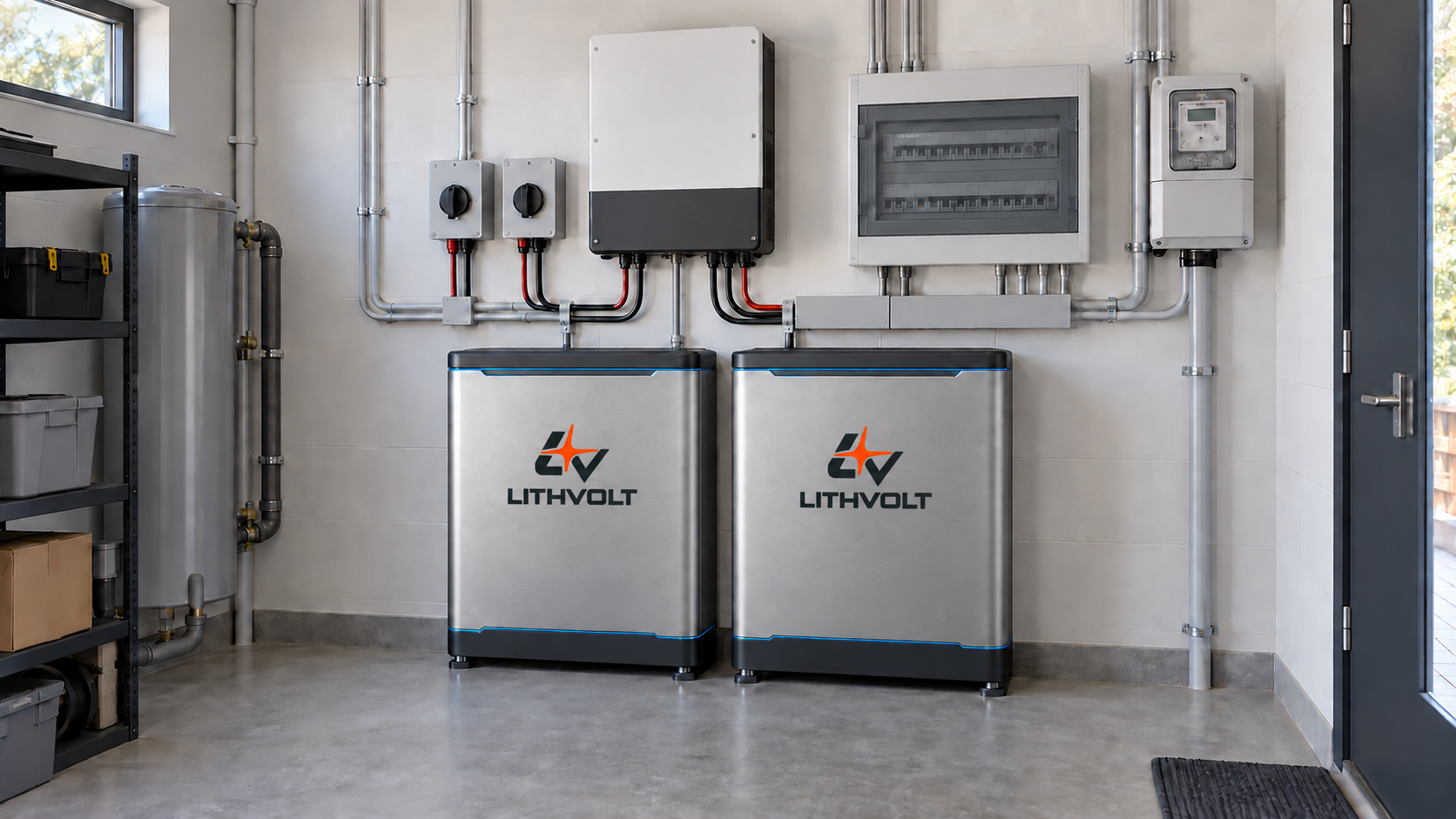
A safe home ESS coordinates PV, battery, inverter, grid, generator and protected loads while meeting the destination market’s interconnection rules.
Array voltage/current must stay inside the selected inverter or charge-controller window in all temperatures.
Anti-islanding, export limits, backup transfer and neutral/earthing behavior are market- and topology-specific.
Separate essential circuits so limited stored energy is not consumed by ovens, heaters or other unintended loads.
SIZING WORKFLOW
Use utility bills and 15/30-minute data where available; separate daily kWh from peak kW.
Record continuous power, starting surge and required outage hours for each critical circuit.
Check roof yield, winter production, shading, export policy and desired self-consumption.
Phase type, grid code, mounting area, temperature, internet/communications and permitting.
WORKED EXAMPLE
If selected loads average 500 W for 10 hours, they consume 5 kWh AC. After reserve and conversion losses, a nominal 5.12 kWh battery is unlikely to cover the full target; a 10.24 kWh class system provides more realistic margin. A separate check must confirm refrigerator or pump starting surge.
OEM / ODM HOME ENERGY
We support wall, stack and rack battery platforms, BMS communication and coordinated documentation for distributors, installers and energy brands.
Reference sizes are for requirement planning, not an installation design or certification claim. Only qualified local professionals should finalize grid connection, fire separation, wiring, protection, commissioning and permits for the exact product combination.
SIZING WORKFLOW →PROJECT BRIEF
Share country, phase/voltage, utility bill or daily kWh, peak loads, backup circuits and hours, solar size, installation location and quantity.